Understanding situs gacor in Modern Healthcare
The evolution of healthcare has dramatically changed over the years, especially with the ongoing transitions toward digitalized platforms and patient-centric models. One area that often draws attention is the concept of situs gacor, which encompasses the intersection of trust, technology, and compassionate care in patient services. Today, patients are no longer passive recipients of care but are actively engaged in their health management, leading to improved outcomes and satisfaction.
The Role of Trust in Patient Care
Trust is a fundamental component of health care delivery. Patients must have confidence in their providers, and this trust is cultivated through open communication, transparency, and accountability. Studies indicate that patients who perceive a higher level of trust are more likely to adhere to treatment protocols and participate in follow-up care, which directly influences their health outcomes.
Evolution of Patient Engagement Techniques
Over the last decade, patient engagement has evolved significantly. Traditional methods, such as brochures and in-person consultations, have shifted towards digital engagement strategies. Telehealth platforms, patient portals, and mobile apps now offer patients easy access to their health information, lab results, and appointment scheduling, making healthcare more accessible than ever.
How Technology Influences Health Outcomes
Technology plays a pivotal role in enhancing patient care. Electronic Health Records (EHRs) streamline data sharing among providers, enabling better coordination of care. Wearable devices help track vital signs, alerting patients and providers to potential health concerns proactively. Furthermore, data analytics tools allow healthcare organizations to monitor trends and improve service delivery continuously.
Comparative Analysis of Health Services: Then vs Now
Contrasting the past healthcare models with today’s personalized medicine reveals substantial advancements in how care is delivered and experienced. The shift towards a more integrated approach in patient care is facilitated by innovations in medical technology and the emphasis on individualized treatment plans.
Past Healthcare Models vs. Today's Personalized Medicine
Historically, healthcare was often one-size-fits-all, with treatments based on generalized protocols. Today, however, personalized medicine allows for tailored approaches based on genetic information, lifestyle, and preferences, making treatments more effective and minimizing adverse effects.
Access to Health Information: An Overview
The democratization of health information has been a game-changer for patients and healthcare providers alike. Patients can now access a wealth of information online, empowering them to be informed advocates for their health. However, navigating these resources requires critical assessment skills to differentiate between accurate information and outdated or misleading data.
Patient Rights: Historical Changes and Current Practices
The evolution of patient rights has undergone significant changes, promoting fairness and respect within healthcare practices. Modern healthcare emphasizes informed consent, confidentiality, and patient autonomy, which serve as pillars for quality health service delivery.
The Impact of situs gacor on Healthcare Delivery
Situs gacor captures the essence of patient-centered care in the healthcare landscape today, highlighting the necessity of compassion and innovation in treatment processes. Shifting themes toward holistic patient experiences reshapes how patients interact with healthcare providers.
Shaping Patient Experiences through Compassionate Care
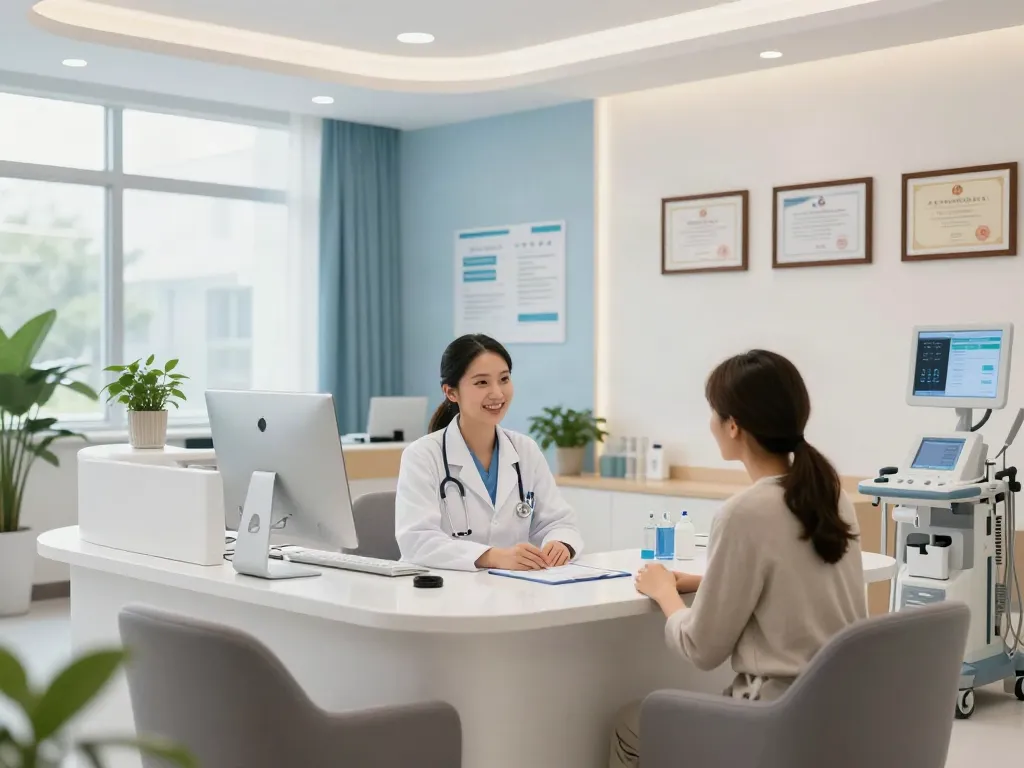
Compassionate care means understanding each patient's unique circumstances. Healthcare providers trained in empathy can significantly improve patient satisfaction and encourage open dialogue about health concerns, leading to better health outcomes.
Adapting to Digital Innovations in Health Services
Digital health innovations such as artificial intelligence, machine learning, and telemedicine have paved the way for proactive healthcare delivery. These tools not only improve operational efficiency but also enrich patient interactions, providing timely interventions.
Building Patient Trust in a Virtual World
In an age dominated by virtual interactions, cultivating trust remains a challenge for many health professionals. Adopting a transparent communication strategy and ensuring patient privacy can help build credibility amongst digital health platforms, creating a secure environment for patients.
Case Studies: Successful Transitions in Patient Care
Examining the success stories of healthcare institutions that have embraced innovative practices can provide valuable insights into effective strategies that enhance patient experiences and improve health outcomes.
Examining Innovative Clinics and Their Services
Clinics that incorporate multidisciplinary teams and personalized care pathways showcase the positive impacts of enhanced collaboration. For instance, healthcare facilities that blend primary care with behavioral health have demonstrated significant success in treating complex conditions.
Real-World Applications of Data-Driven Health
Data-driven approaches in healthcare enable providers to utilize insights from past patient care trends, enhancing predictive analytics for future healthcare needs. This application strengthens preventive care strategies, making healthcare more effective and responsive.
Feedback and Continuous Improvement in Healthcare
Feedback mechanisms play a vital role in healthcare improvement. Gathering patient testimonies, performance metrics, and peer reviews can guide health providers to adjust their practices, enriching service quality and patient satisfaction.
FAQs about situs gacor and Healthcare Innovations
What is situs gacor and its relevance to healthcare?
Situs gacor is reflective of modern trends in healthcare emphasizing trust, technology, and patient engagement. Its relevance is noted in how healthcare is delivered, significantly impacting patient experiences and outcomes.
How have patient care strategies changed over the years?
Over the years, patient care strategies have shifted from purely clinical interactions to a more holistic approach that includes emotional support, mental health resources, and a focus on preventive care, promoting overall well-being.
What technological advancements are leading the way in patient health?
Several technological advancements, including Artificial Intelligence, Machine Learning, telehealth approaches, and EHR systems, are leading in enhancing patient health, providing timely interventions and personalized care experiences.